
Moral Dilemmas and the Decision to Act: The Gap Between Knowing and Doing
Moral dilemmas are often described as conflicts between competing obligations or values, but such definitions do not capture how these conflicts are lived from the inside. This article examines a specific class of everyday moral conflict: help-versus-self-cost dilemmas in which a witness recognizes that another person is being harmed, experiences an immediate bodily and emotional response, and must decide whether to intervene or remain silent, knowing that each option carries potential loss. Drawing on work in moral philosophy, moral psychology, trauma studies, attachment theory, betrayal trauma, institutional betrayal, and moral injury, the article traces how reflective judgment, affect, nervous system activation, developmental history, social position, relational systems, and cultural narratives converge in these moments. Rather than treating ethical theories as abstract prescriptions, it shows how deontological, consequentialist, virtue-ethical, and care-ethical considerations are taken up, or constrained, in lived experience. The aim is to offer a psychologically and relationally informed account of help-versus-self-cost dilemmas that remains normatively serious while acknowledging the limits and possibilities of agency under pressure. Read on.
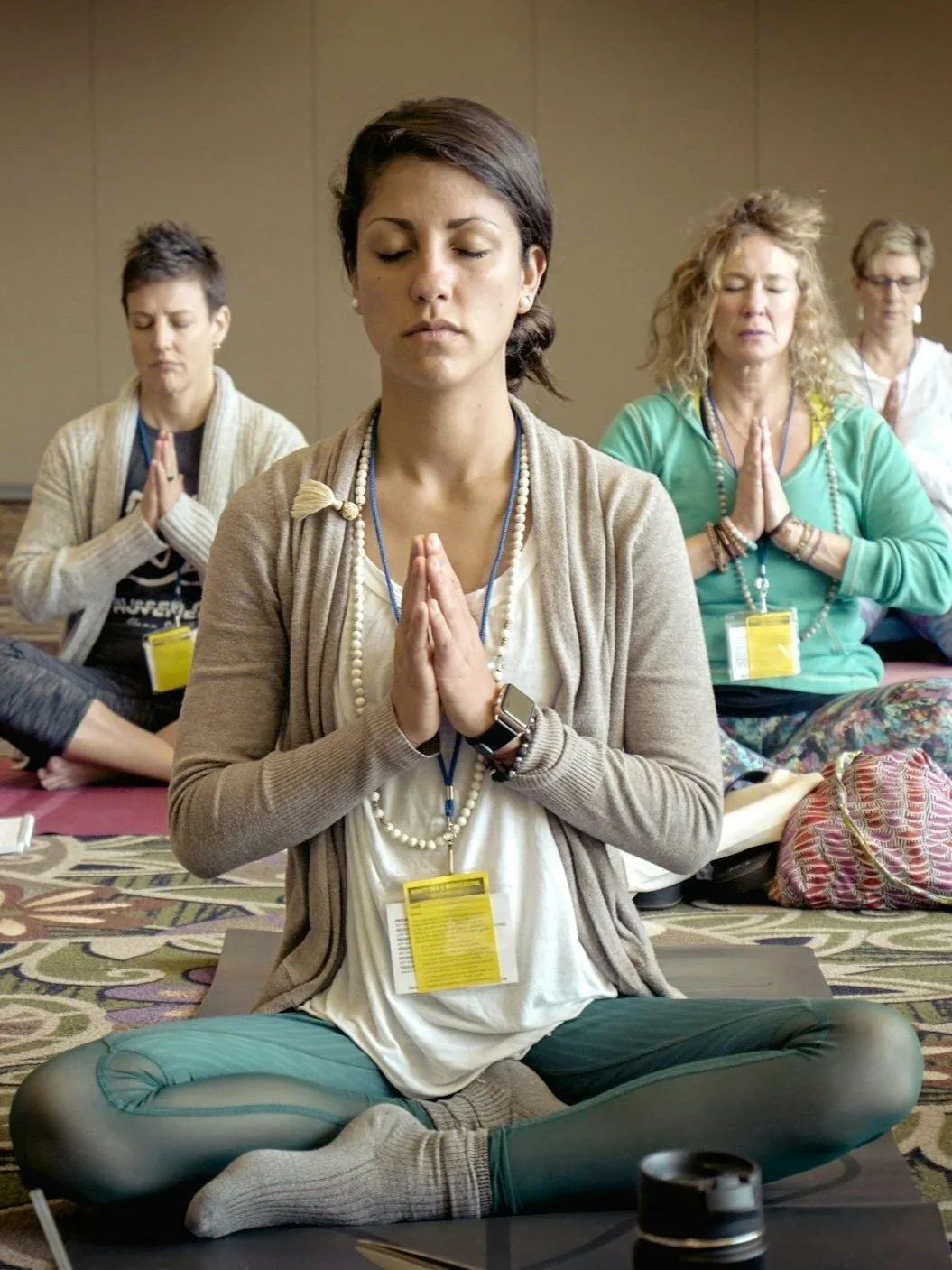
Vipassana's Hidden Risks: Trauma-Sensitive Paths to Safe Practice
Widely recognized in the West as a powerful path for inner transformation, Vipassana retreats consist of continuous silent meditation sessions throughout the day, combined with mindfulness of posture and breath to deepen awareness and equanimity. Though these ten-day silent retreats promise deep insight, calmness, and relief from stress and overload, the practice can be especially challenging for people with traumatic histories or psychological burdens, as it activates complex internal processes—underscoring the crucial need for trauma sensitivity, gradual pacing, and professional guidance to safely navigate both its healing potential and possible difficulties.
Moral Injury: Origins, Wounding, and the Science of Renewal
At the heart of human life lies a quiet compass, our sense of right and wrong. It is not carved in stone but alive in the body, formed through touch, trust, and belonging. When that compass is betrayed by families, cultures, or workplaces, it can falter. Yet with empathy and truth, it can be renewed. Read on to learn how moral code arises, is wounded, and can be renewed.